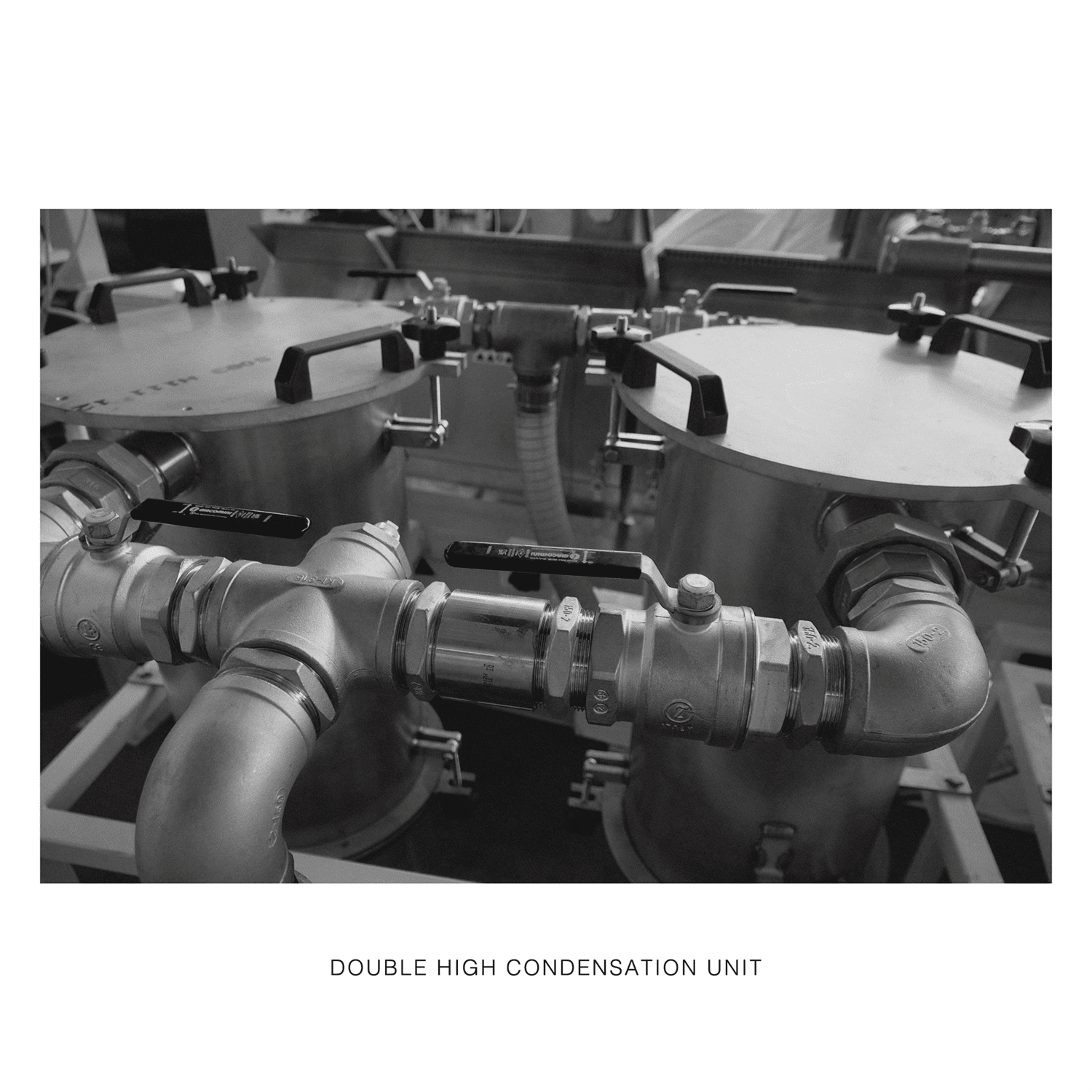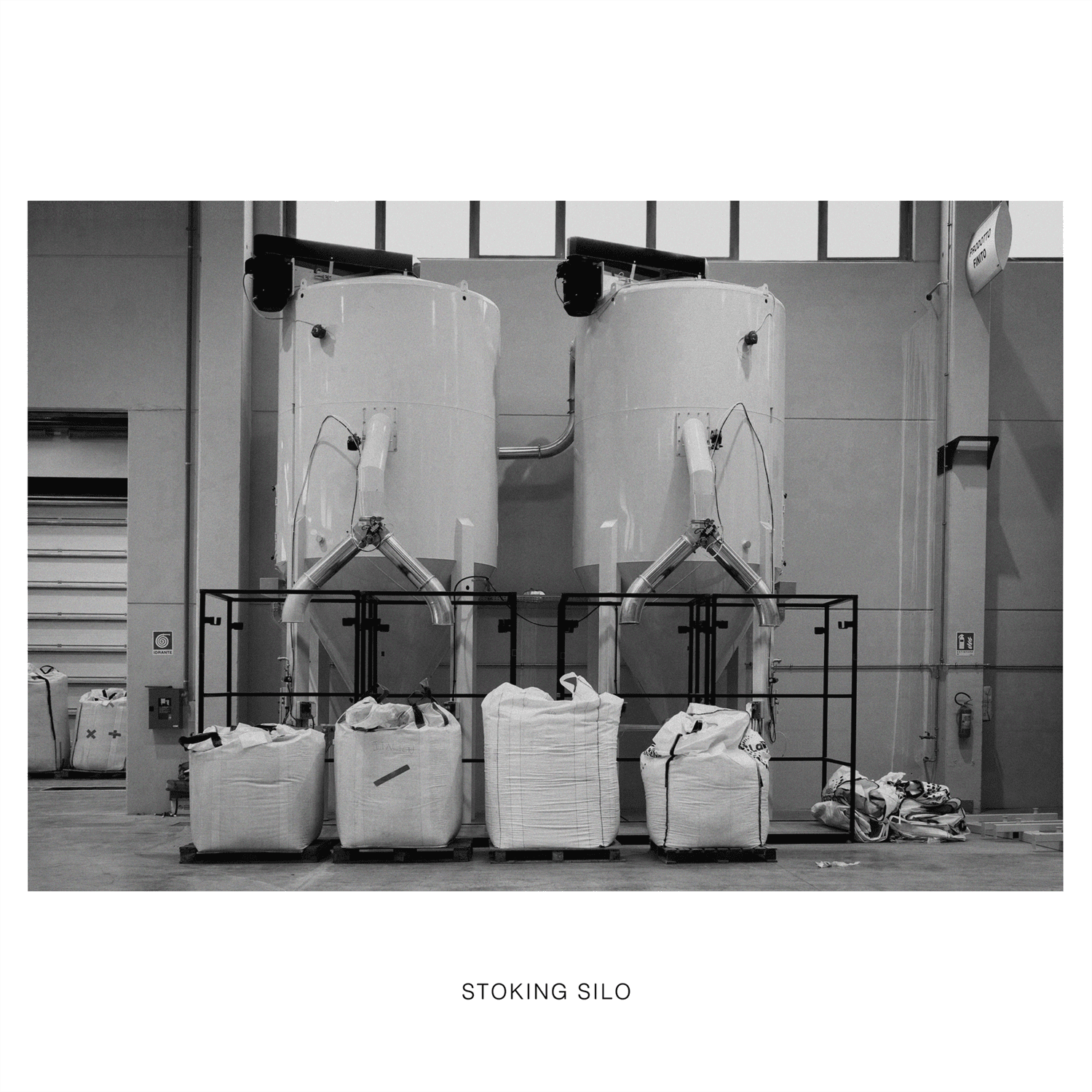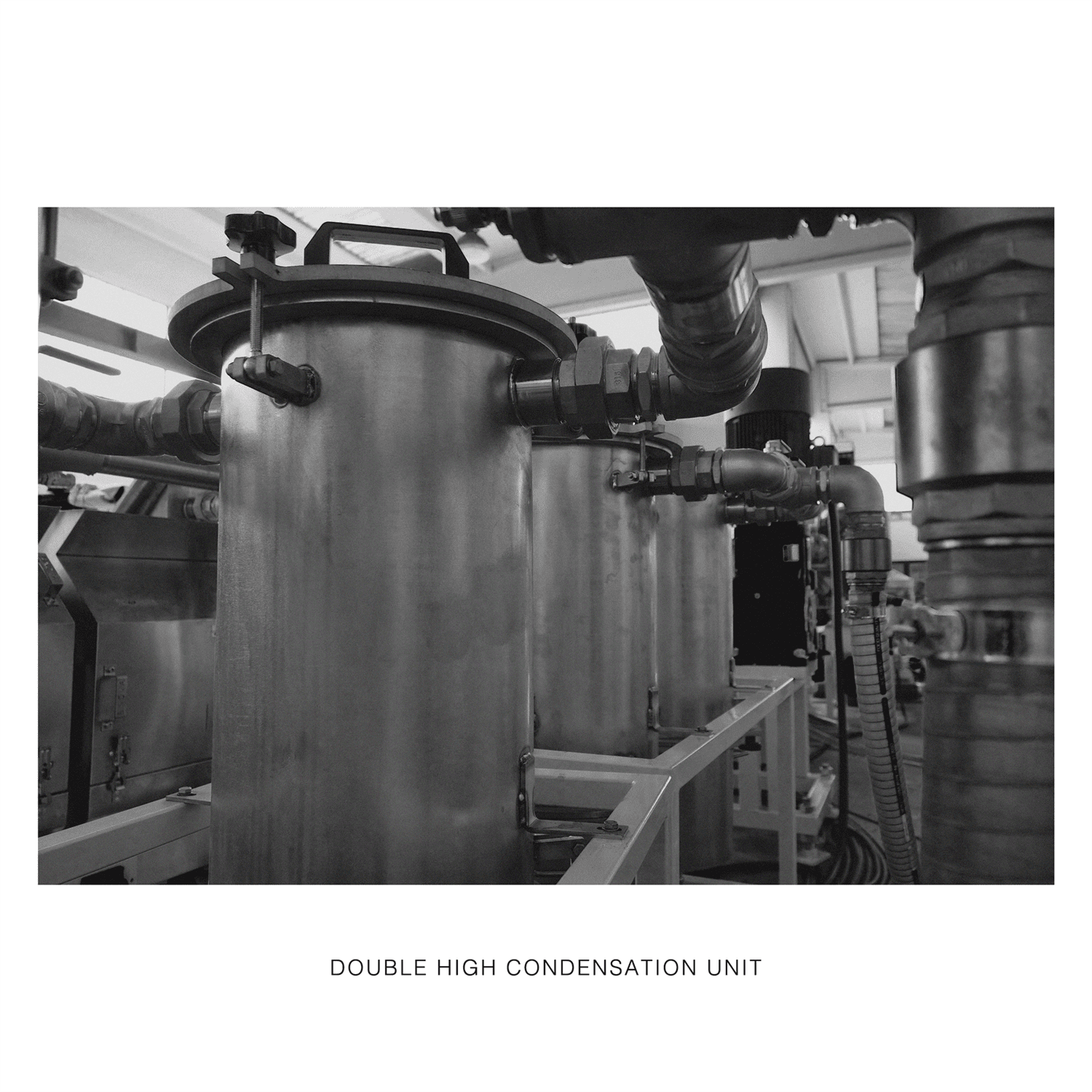
Innovation: a deep love for their work, a constant research aimed at improving their products and a desire to accomplish increasingly advanced projects represent the basis of a magnificent production team, made up of engineers, technicians and highly qualified workers. Today more than ever, they are projected into the future, in search of new solutions to be implemented in the increasingly diversified polymer scenario.
Production
In order to meet the constantly growing demand for innovative equipment, and plants for the treatment
and extrusion of ever more complex plastic materials, Binova offers:
• Co-rotating twin-screw extruders, type EBB Ø42, Ø58, Ø71, Ø92, Ø112, Ø128, Ø135, Ø160
• Single-screw extruders, type EMB Ø35, Ø45, Ø60, Ø85, Ø105, Ø130, Ø180, Ø200
• Special cascade degassing extruders EMC Ø220 – Ø250 - Ø300
• Complete plants for the production of master batch, for coloring, compounding and recycling of
plastic materials
• Washing plants for the optimization of thermoplastic scrap, coming from blown molding and injection
industry
• Sheet extrusion and co-extrusion lines
• Special extrusion lines for the production of semi-finished products, directly employing thermoplastic
scrap according to DRP™ process (direct recycling process) PET,PS,PP,LDPE, HDPE, PLA
• Customized plants and accessories, based on specific Customer’s specifications.
complete plants for recycling and compound
twin-screw extruders
single-screw extruders
special cascade extruders
sheet extrusion and co-extrusion lines
plants for the production of master batch
revamping of existing lines
laboratory machines
Complete plants for regeneration and compounding
Binova also supplies entire plants for regeneration and compounding, starting from
storage and ending with the granule or even directly with the final film.
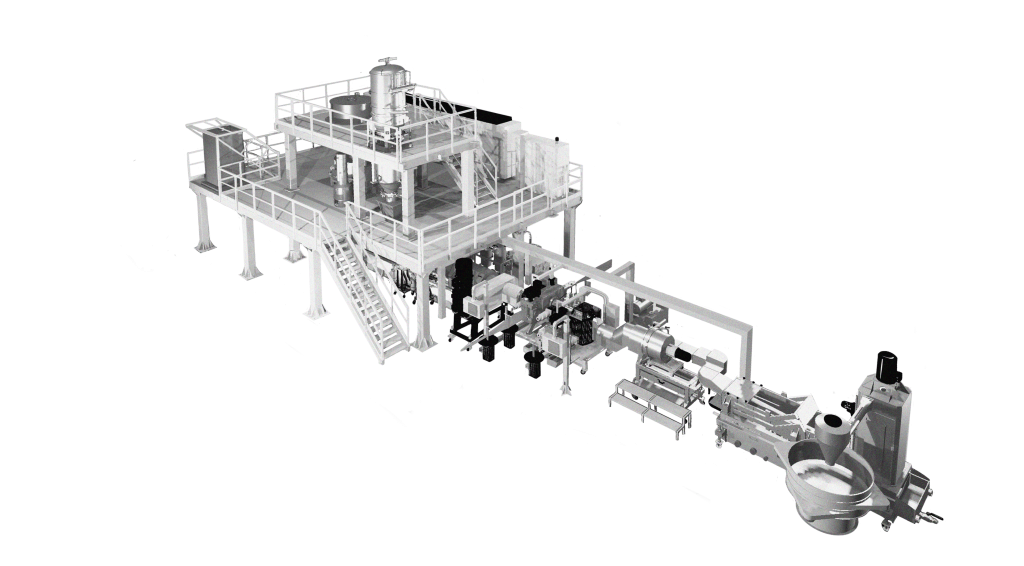
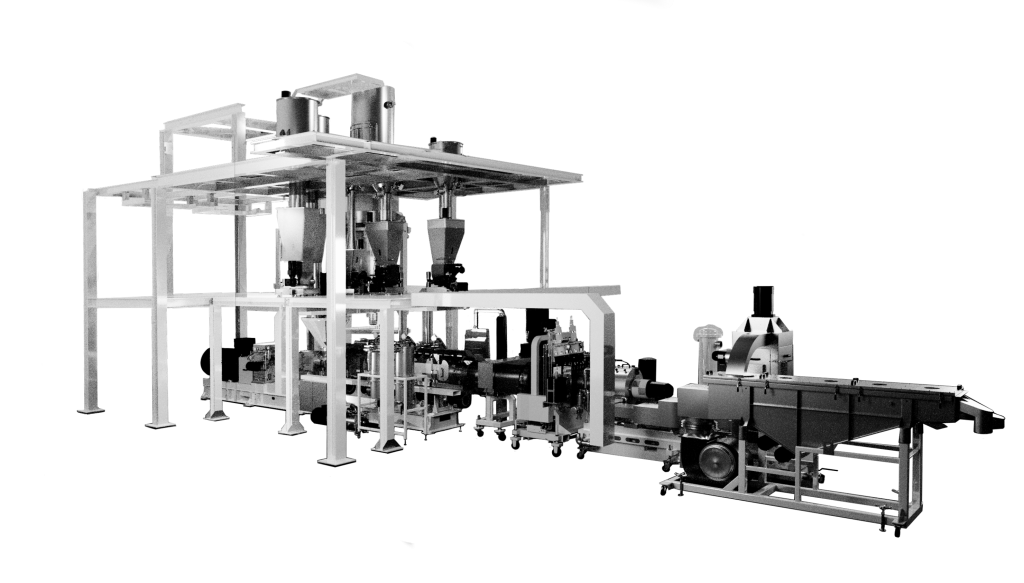
An example is given by the render images below, of a plant entirely signed by Binova,
which was responsible for the design of all individual parts.
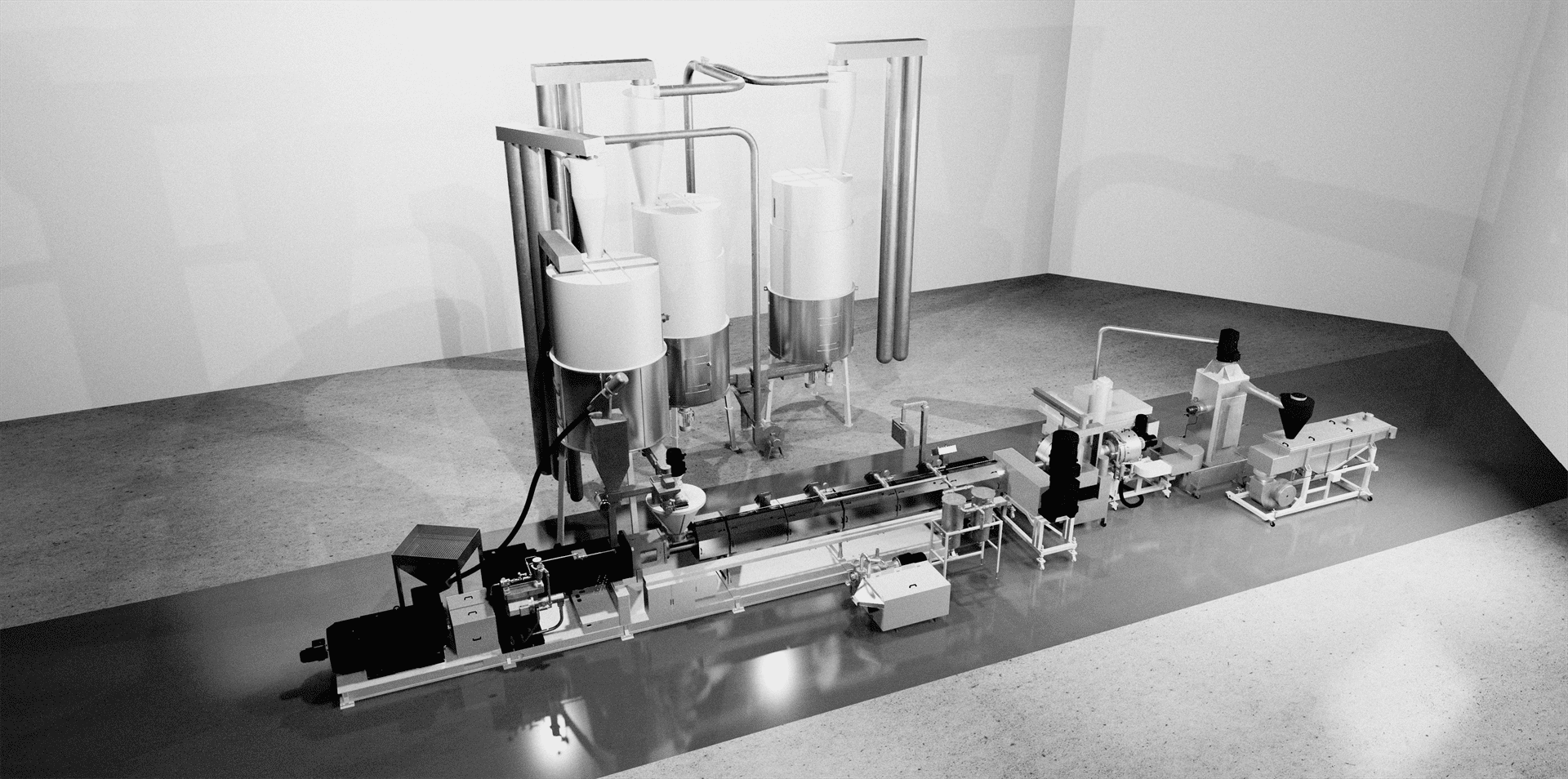
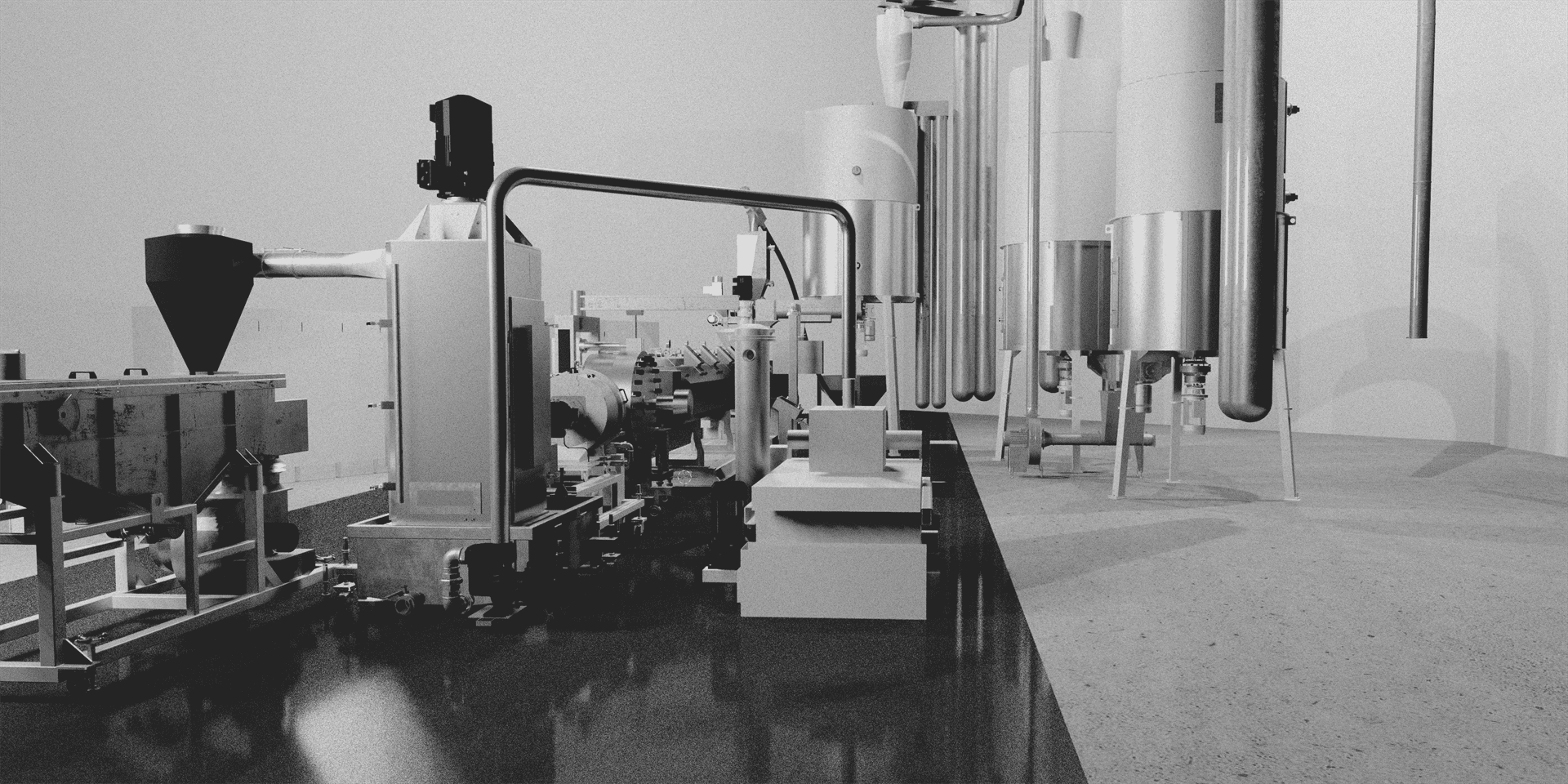
HREC systems with compactor
HREC LINE for recycling and compounding of very low apparent density film flakes (DPE/LLDPE polyolefins) coming from washing lines
Significant reduction of gels in the final film, high degassing and odor removal, high energy savings.
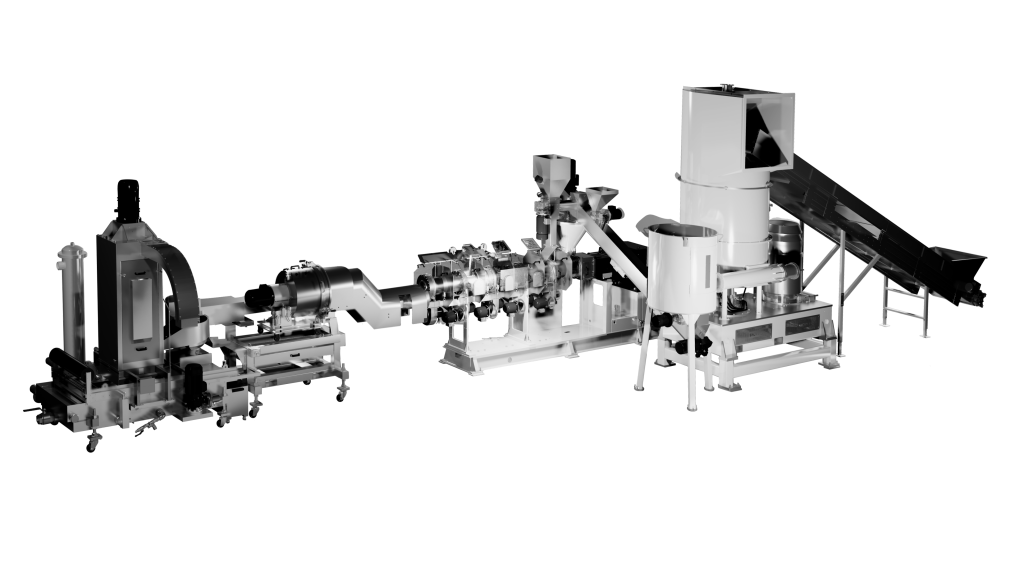
COMPACTION AND DRYING – shredding/drying/heating of film flakes by a rotating blade system controlled by an inverter, able to process PE film with residual moisture up to 10% without reduction in throughput.
Conveyor screw controlled by inverter to feed the twin-screw extruder.
Neodymium iron removal system.
Automatic start, operation and stop: the control of the compaction system revolutions and the quantity of material fed into the twin-screw extruder are managed by dedicated software.
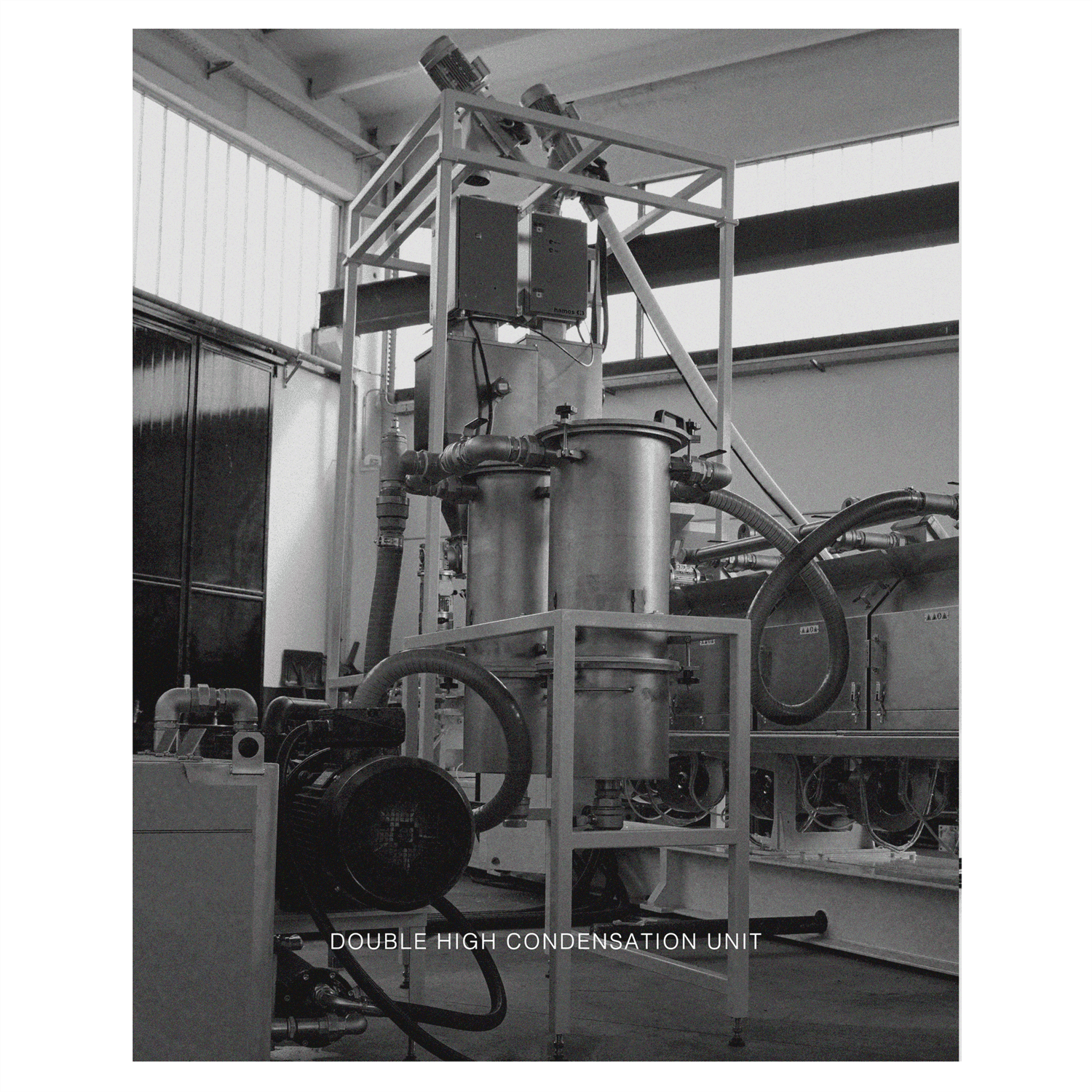
HIGH-VACUUM PRODUCTION SYSTEM FOR DEGASSING - The shape of the twin-screw extruder and the use of a booster guarantee high extraction of steam, gases, aromas, solvents, etc., reaching a very high vacuum. During this "continuous distillation," the residual odor of the produced granules is drastically reduced.
TWIN-SCREW EXTRUDER – HIGH MIXING OF FILM FLAKES AND ADDITIVES – The specific design of the twin-screw extruder ensures excellent mixing of the introduced products.
Possibility of using double filtration (60/80 microns) to considerably reduce the presence of gels in the film produced subsequently.
High productivity AND ENERGY SAVINGS - The energy required for transforming waste into granules is up to 30% lower compared to conventional machinery.
BiReK / F line
for LDPE/LLDPE/HDPE - post-consumer film waste from washing plants.
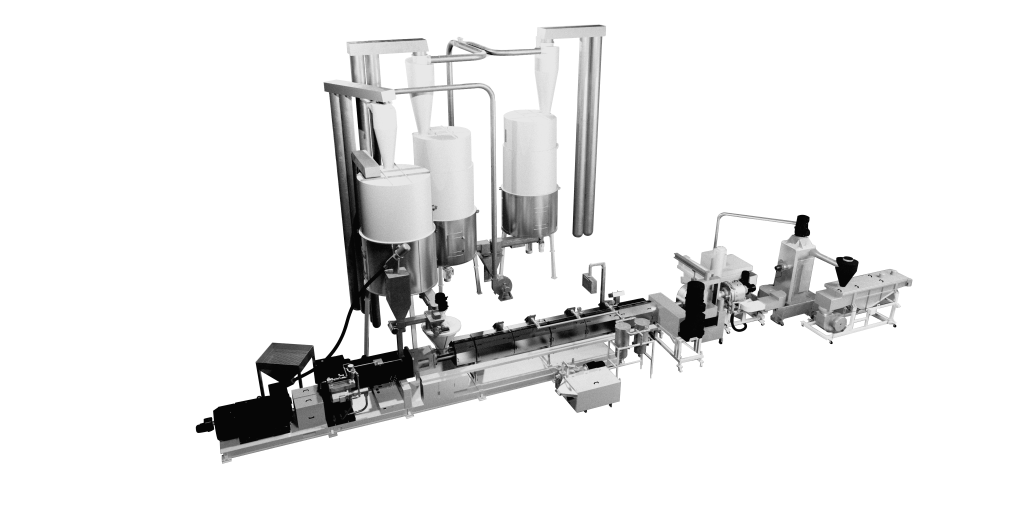
High vacuum production system by degassing – the conformation of the extruder ensures very high extraction of steam, gases, aromas, solvents that are released during thermoplastic processing radically decreasing the residual odor of the produced granule.
High mixing of the different thermoplastics and the various additives introduced – the targeted conformation of the extrusion screws guarantees high mixing of all the products that are inserted into the extruder, resulting in a high quality granule. The total dispersion of additives in the thermoplastic favors the subsequent "anti-odor" treatment, eliminating the presence of black dots, possibly present in the granule, due to the carbonization of some additives. The use of PCR produced with this system substantially decreases the number of gels present in films produced with this granule.
BiTeCh LINE
BiTeCh LINE for thermoplastic waste compounds prepared for additives of mineral fillers, glass fiber, etc.
Forced feed system for low bulk density materiay - the extruder can be fed through a forced feed system or through an agglomerator as needed.
High vacuum production system by degassing – the conformation of the extruder ensures very high extraction of steam, gases, aromas, solvents that are released during thermoplastic processing radically decreasing the residual odor of the produced granule.
High mixing of the different thermoplastics and the various additives introduced - the targeted conformation of the extrusion screws guarantees the high mixing and total dispersion of the fillers or additives that are fed into the extruder making a high quality granule.
High productivity and energy savings – depending on the type of compound and the type of material to be processed, the energy used for the transformation of waste into granule is considerably lower (up to 30% less), than that used by plants currently on the market
BiStretch/F or BiStretch/FC
LDPE-LLDPE LINE production waste and/or waste from post-consumer and treated in washing plants
Film feeding system - the extruder can be fed through a forced system or through a compactor as needed. The choice of feeding system depends on the residual moisture of the material introduced.
High vacuum production system by degassing – the conformation of the extruder ensures very high extraction of steam, gases, aromas, solvents that are released during thermoplastic processing radically decreasing the residual odor of the produced granule.
High mixing of the thermoplastic and the various additives introduced - the targeted conformation of the extrusion screws guarantees the mixing of all the products that are fed into the extruder, making a high quality granule.
Decrease in the presence of gels – a) production waste - films produced with regenerated material have 10 times less gels than films produced with regenerated material from plants currently on the market - b) films produced with regenerated material have a significant decrease in gels compared to films produced with regenerated granules from plants currently on the market
Energy consumption – the energy used for converting the waste into granules is considerably less than that used by plants currently on the market, up to 30%
Extruders
In order to meet the constantly growing demand for innovative equipment, and plants for the treatment
and extrusion of ever more complex plastic materials, Binova offers:
Co-rotating twin-screw extruders, type EBB Ø42, Ø58, Ø71, Ø92, Ø112, Ø128, Ø135, Ø160.
Single-screw extruders, type EMB Ø35, Ø45, Ø60, Ø85, Ø105, Ø130, Ø180, Ø200.
Special cascade degassing extruders EMC Ø220 – Ø250 - Ø300.
Complete plants for the production of master batch, for coloring, compounding and recycling of plastic
materials.
Washing plants for the optimization of thermoplastic scrap, coming from blown molding and injection
industry.
Sheet extrusion and co-extrusion lines.
Special extrusion lines for the production of semi-finished products, directly employing thermoplastic
scrap according to DRP™ process (direct recycling process) PET, PS, PP, LDPE, HDPE, PLA.
Customized plants and accessories, based on specific Customer’s specifications.
The extrusion barrels, built in two pieces, have different L/D ratios depending on the intended production process, and can be thermostated by air, using electric fans, or by water/oil using a special thermostating unit. The basic materials for barrels manufacture, are special chrome steels, with nitriding heat treatment, or bimetal steels with the addition of a wear-resistant and/or corrosion-resistant alloy up to 2.5 mm thickness.
The sector barrels, with different L/D ratios depending on the production process, can be thermostated
by water, oil or air, and are manufactured using special chrome steel or, alternatively, bimetallic
steel with wear-resistant and/or corrosion resistant additions. In some cases they can be fitted with
special internal removable and interchangeable bushings, made of core-tempered steel with high resistance
to wear.
Thanks to the principle of modularity, the twin-screw extruders can be configured to optimize their
use according to the intended application.
Laboratory Machines
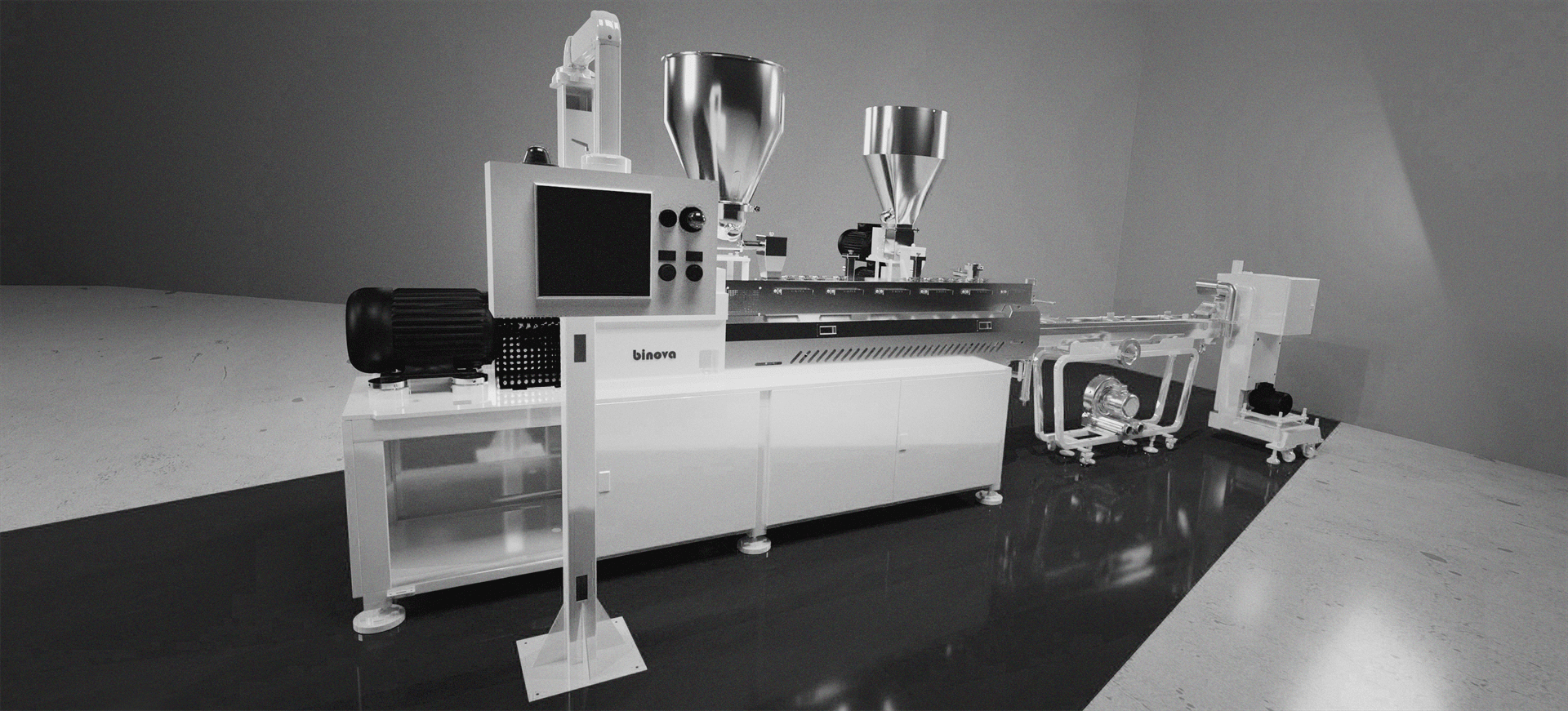
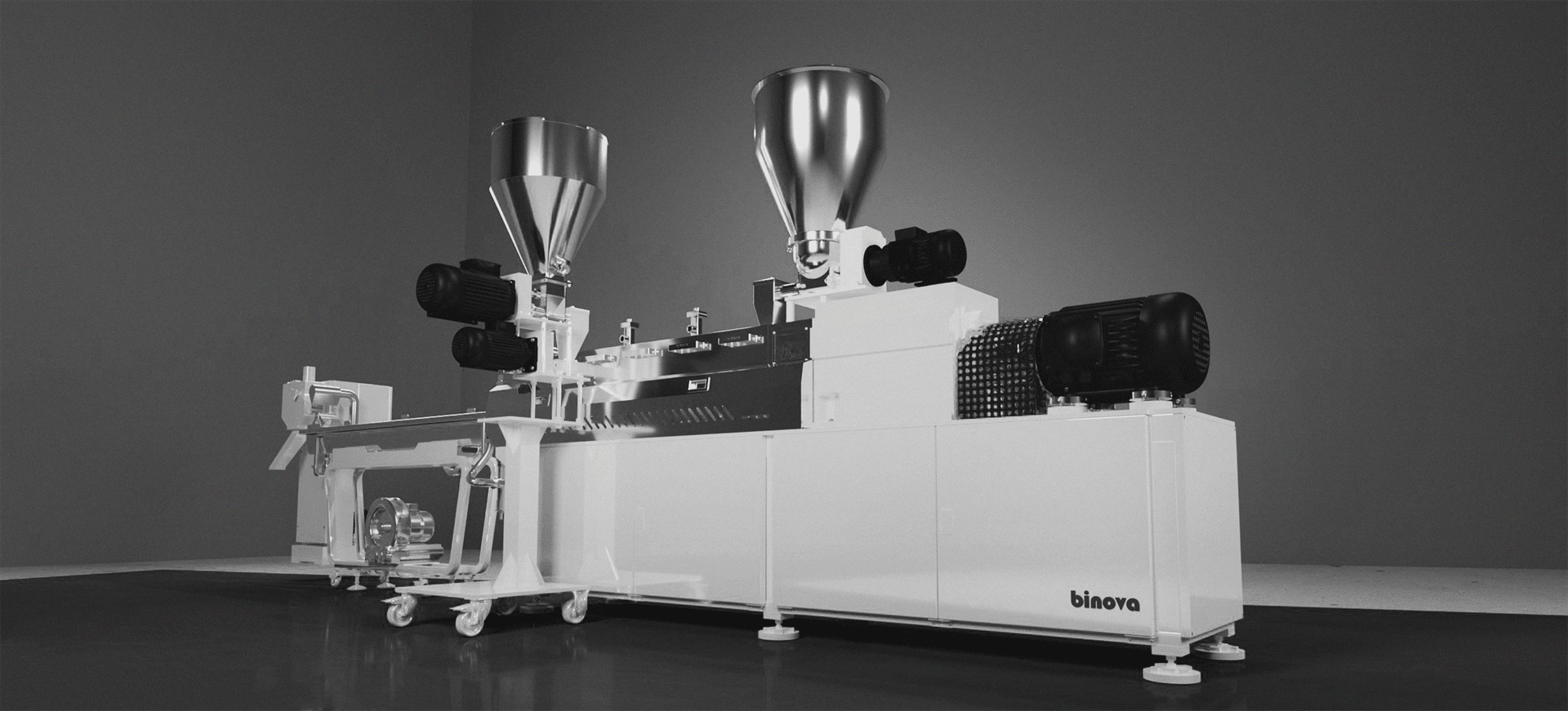
Binova also designs and manufactures small laboratory machines for companies, below is an example
of a 48DD co-rotating twin-screw extruder.
BiLaB35™ type line for granulation (compounding) of ABS-PS-PP thermoplastic material through the
use of co-rotating twin-screw extruder EBB36/48 with three degassings complete with volumetric
feeder and accessories for the production of granule “spaghetti” system arranged for the addition of
mineral fillers hourly capacity up to 30 kg/h depending on the material introduced.
Accessories
Ad hoc solutions for every kind of requirement
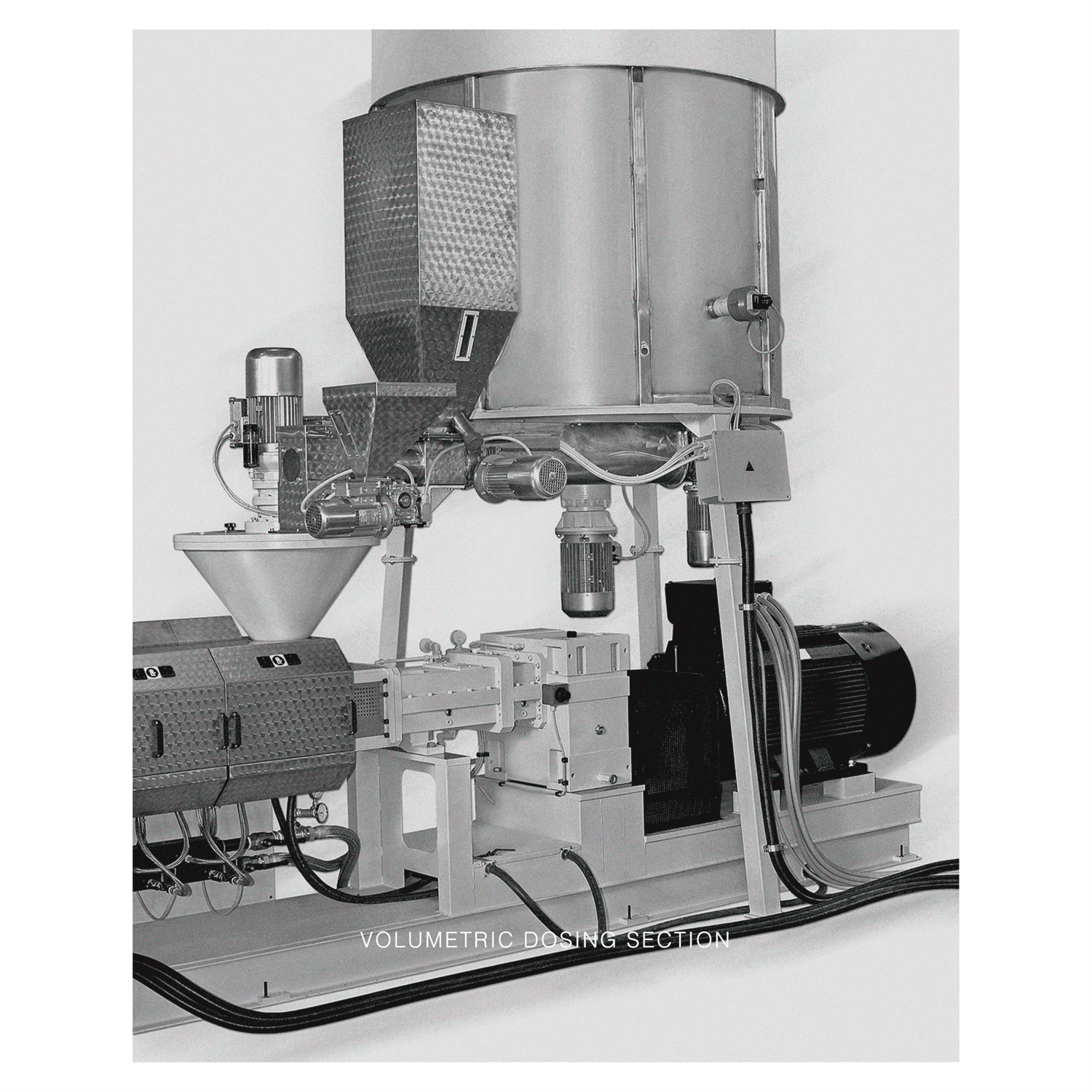
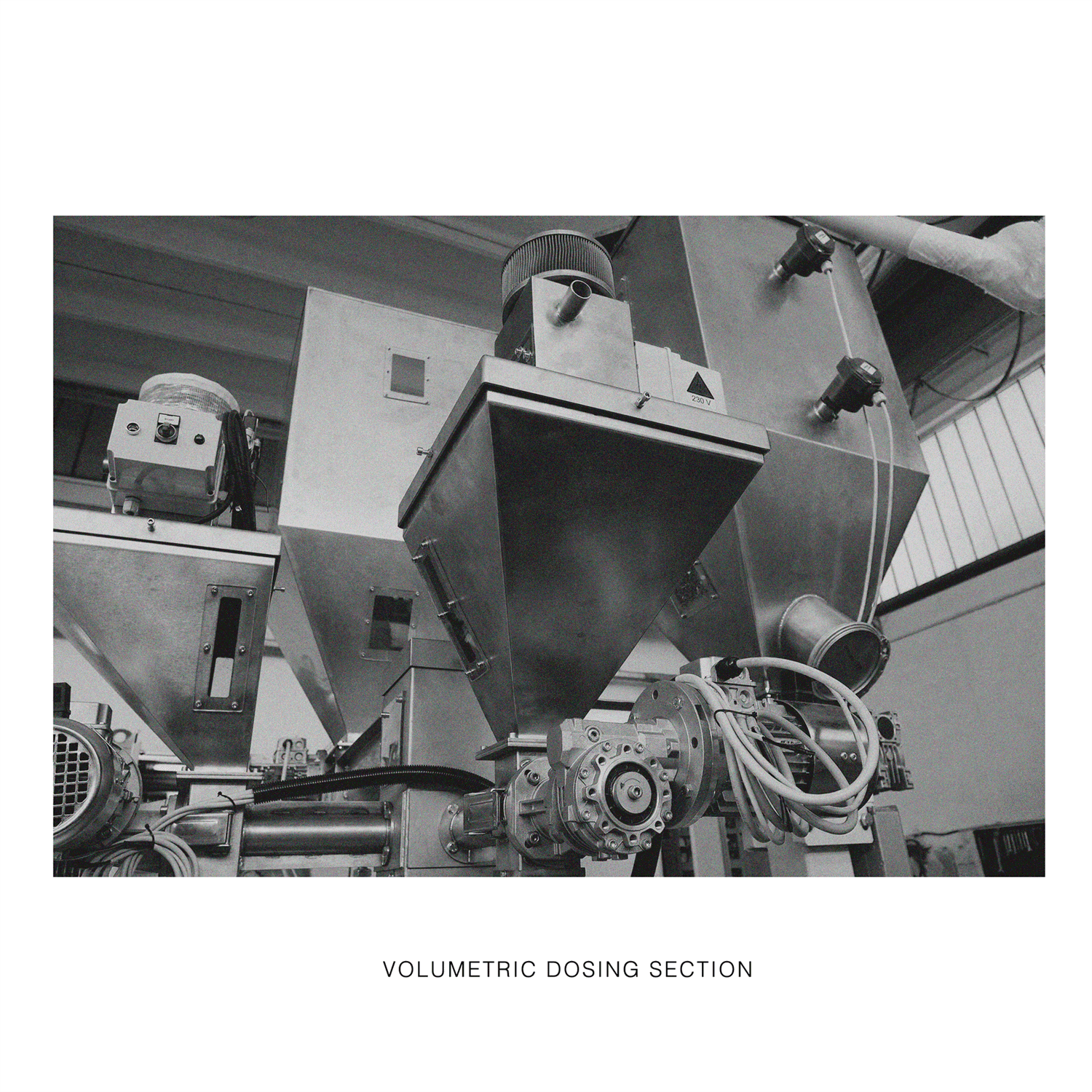
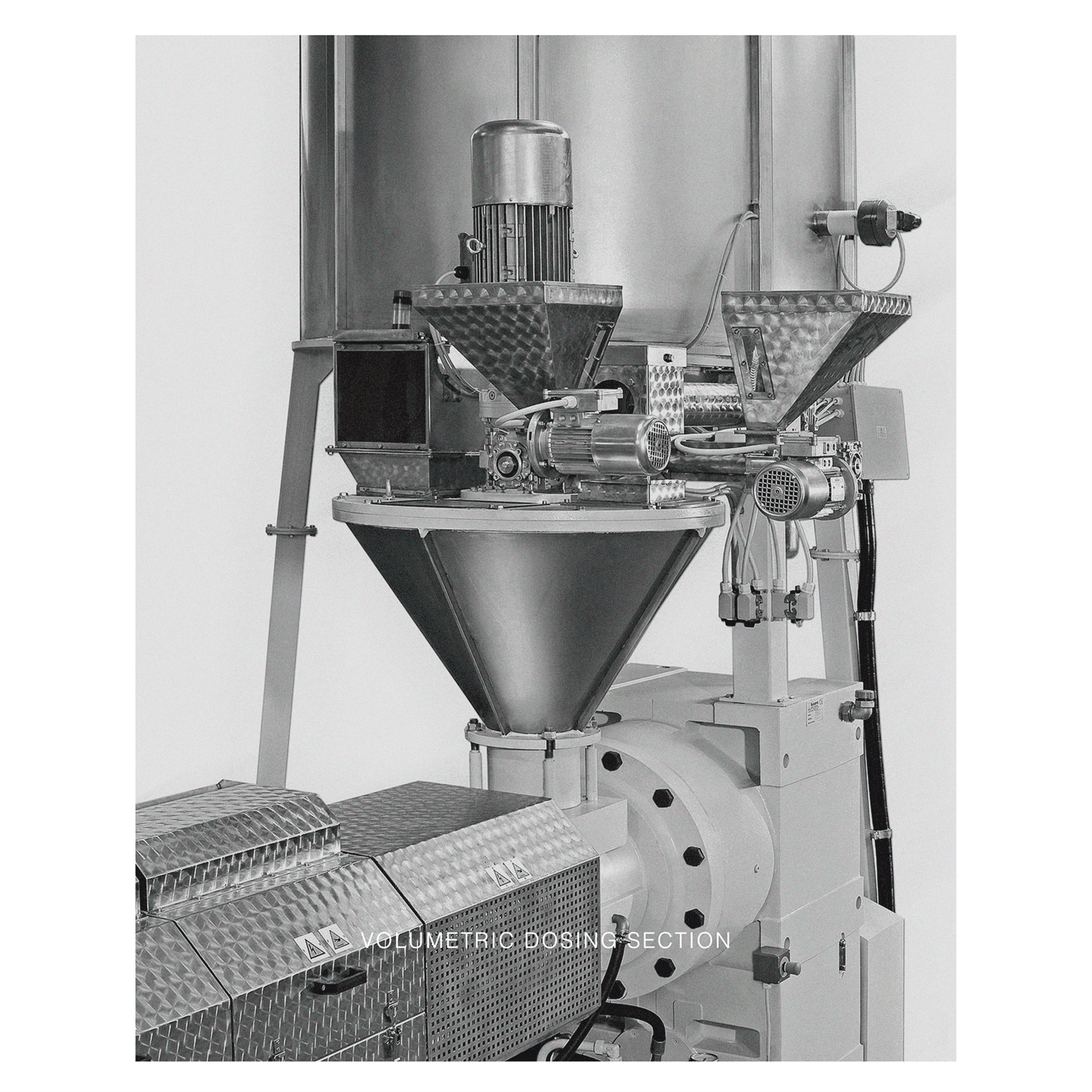
Granulation, recycling and compounding plants can be supplied either with forced feeder systems - for
materials having apparent density between 0.05 kg/dm³ and 0.30 kg/dm³ -, or with volumetric and/or
gravimetric dosing systems for materials with higher density. For products with very low apparent
density, between 0.030 kg/dm³ and 0.08 kg/dm³ -such as yarns, foam products, nonwoven fabrics,
etc.-, special feeding / compacting systems with high productivity are employed. They are equipped
with independent cooling device.
According to the type of thermoplastic material treated, different systems can be used for the
production of pellet for the following functions:
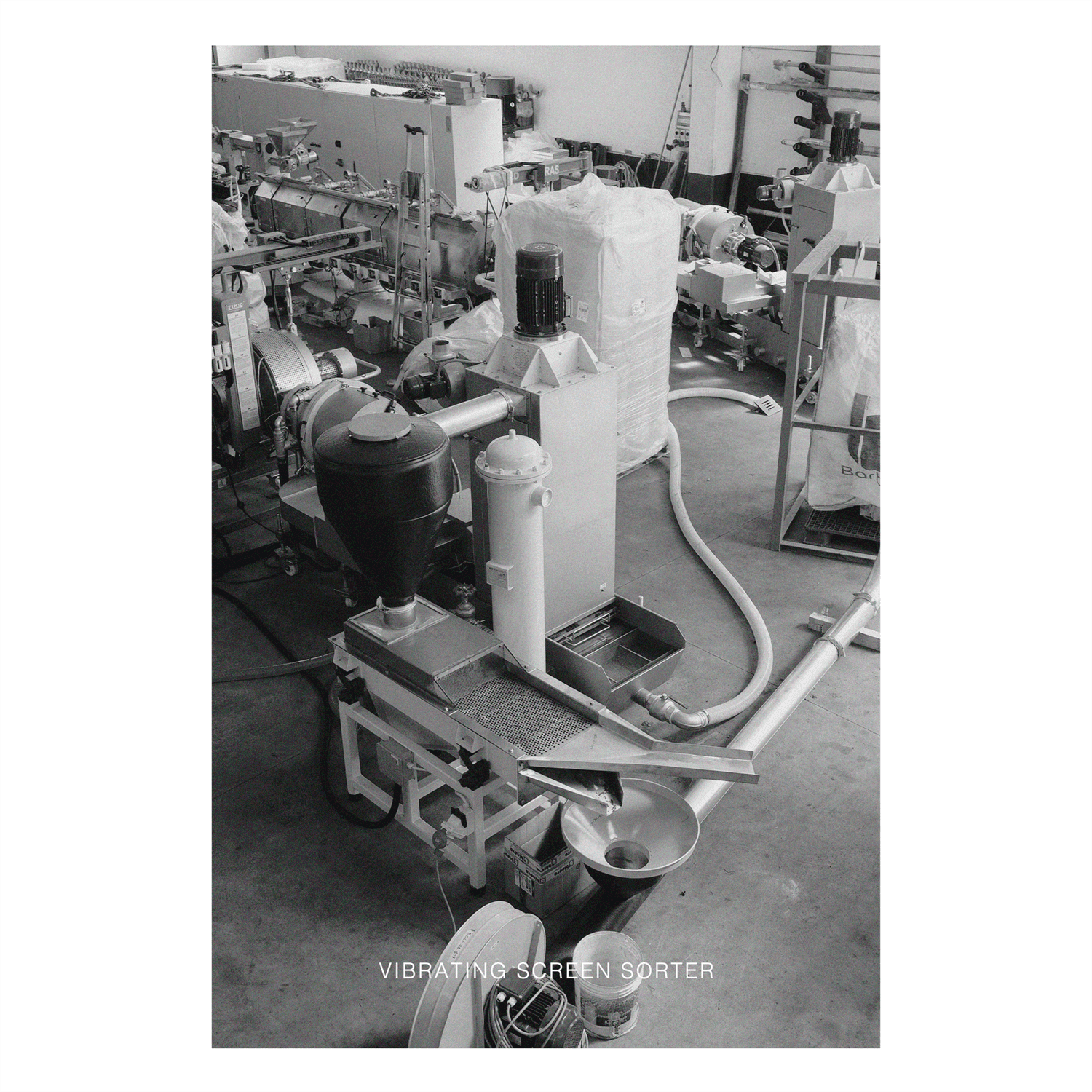
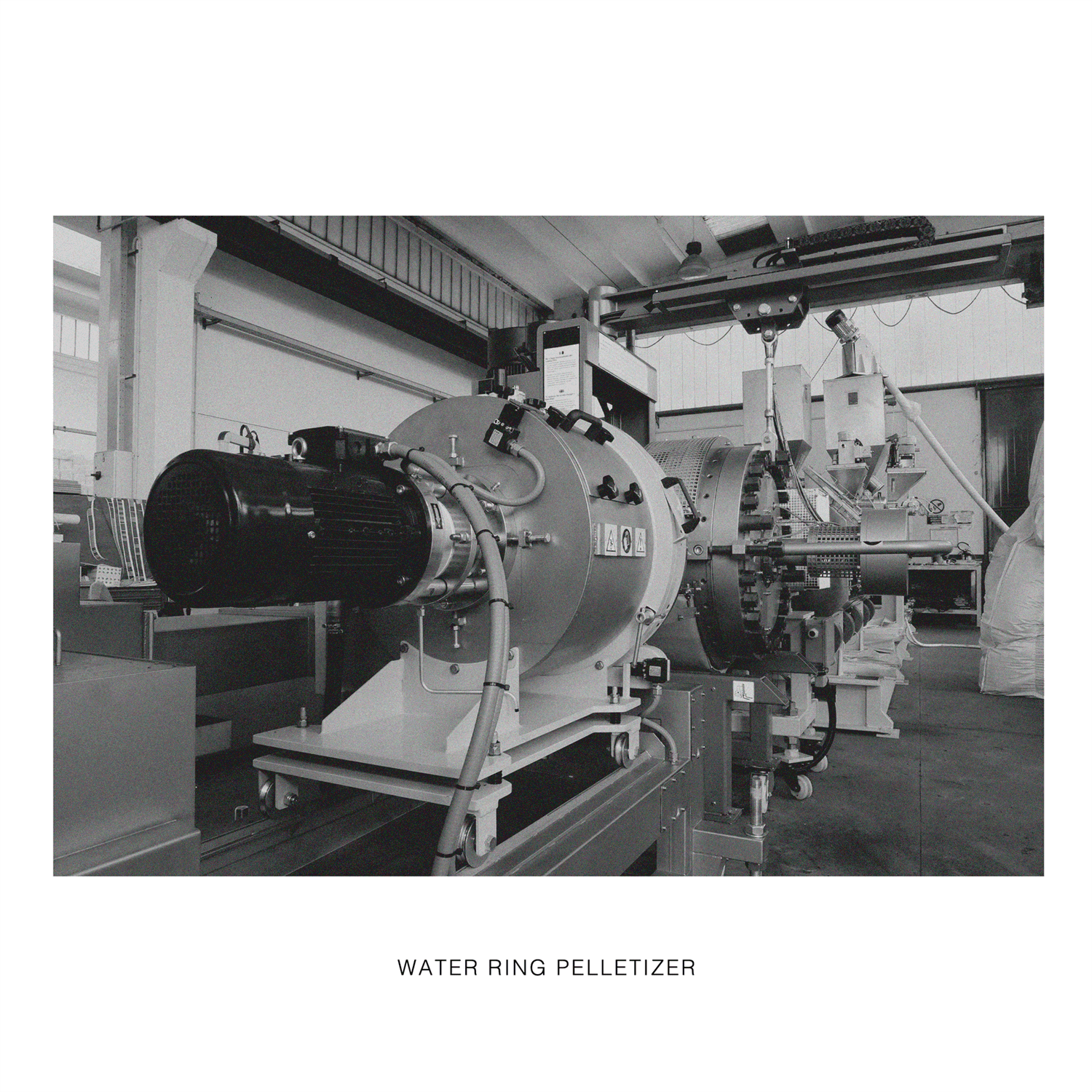
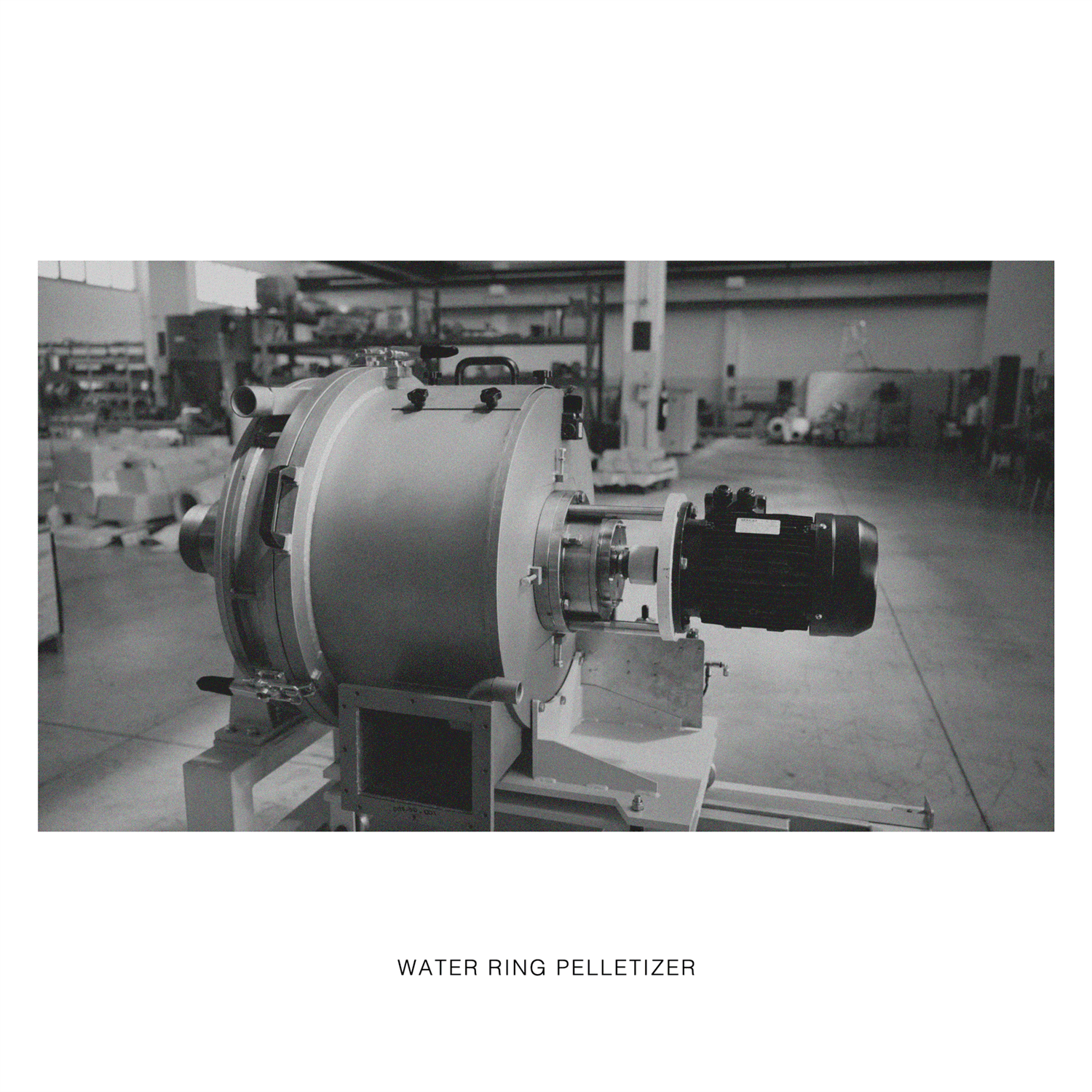
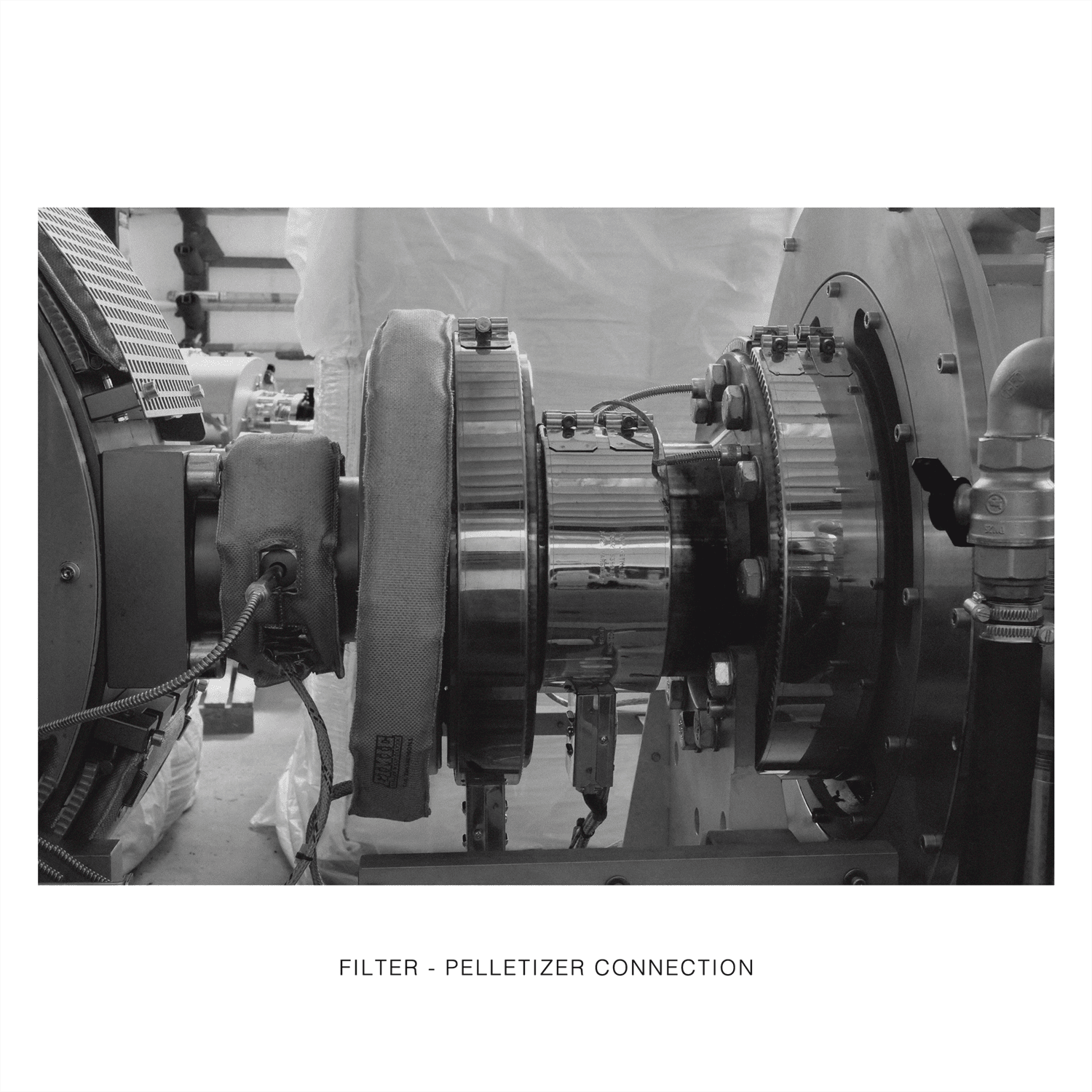
– water die face pelletizer, by full immersion (under water) or with external distribution ring (water ring)
– spaghetti system (strand pelletizer) with cooling tank and cutter with blades in line.